
_edited.png)
Don't Throw Away the Dandelion Root!

If you’re trying to become more self-sufficient, one of the best places to start might be right outside your back door.
Before you pull those dandelions out of your garden, consider this: that stubborn yellow-flowered weed is also a source of edible greens, flowers, and roots.
For generations, people have found ways to use dandelions in the kitchen. You can toss the young leaves into a salad, cook them up as a side dish, fry the flowers into crispy fritters, brew a simple floral tea, or roast the roots for a coffee-like drink.
You don’t need a big garden, expensive equipment, or acres of land to give it a try. You just need to learn how to identify the plant correctly, harvest it responsibly, and prepare it safely.
Let’s take a closer look at how this familiar lawn weed can become another useful resource on your homestead.
1. Learn to Identify Dandelions Before You Harvest
The first rule of foraging is simple: never eat a wild plant unless you’re confident you’ve identified it correctly.
Common dandelions (Taraxacum officinale) have several identifying features. Their leaves grow in a low cluster called a rosette, spreading outward from the base of the plant. The leaves often have jagged edges, and their thick taproots extend deep into the soil.
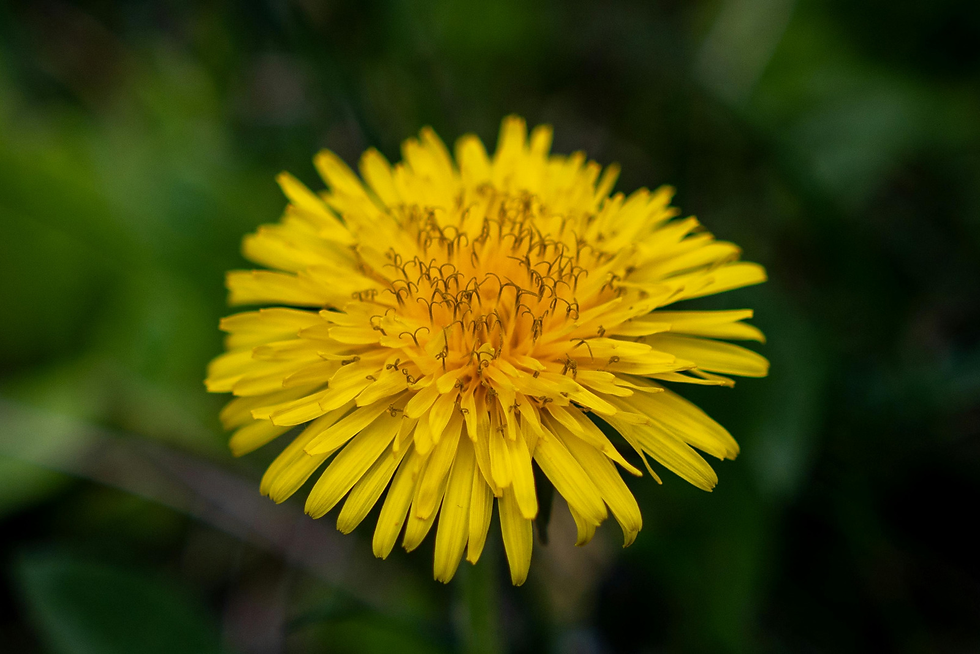
Their bright yellow flower heads grow on individual, hollow, leafless stalks. Each stalk typically carries one flower head. If you break a stalk, you may notice a milky white sap.
Pay attention to the whole plant rather than relying on a single feature.
One plant that can be confused with dandelion is cat’s ear, sometimes called false dandelion. Cat’s ear commonly has hairy leaves and branching flower stalks, unlike the typical unbranched stalks of common dandelions.
When in doubt, leave it in the ground until you can confirm its identity with a reliable regional field guide or an experienced local forager.
A little patience now is much better than a dangerous mistake later.

2. Choose a Safe Place to Harvest
Once you’ve identified your dandelions, take a good look at where they’re growing.
Not every patch is suitable for the kitchen. Avoid plants from lawns or fields that may have been treated with herbicides, pesticides, or other chemicals. Stay away from contaminated roadside areas, polluted runoff, and places exposed to animal waste.
The best harvesting spots are places where you know the land and its treatment history.
For tender greens, look for young leaves, particularly during cooler weather and before the plants have been flowering heavily. Older leaves tend to taste more bitter, although cooking can help make them more enjoyable.
Fresh, open flowers are ideal for fritters, while unopened flower buds can be cooked alongside the greens.
Harvest thoughtfully. Take a little from several plants rather than stripping one patch bare. If you’re gathering leaves and want the plant to keep growing, snip individual leaves and leave the crown and roots intact.
At home, remove damaged leaves and unwanted debris, then rinse everything thoroughly under clean running water. Use a vegetable brush to scrub roots if needed. Keep harvested greens and flowers refrigerated at 40°F (4°C) or below until you prepare them.
Remember: washing removes dirt and debris, but it cannot make a chemically contaminated harvesting site safe.
3. Turn Dandelion Greens Into a Simple Homestead Side Dish
Dandelion greens are a great introduction to cooking with wild plants. They have a naturally bitter flavor, similar in some ways to other robust leafy greens.
If you’re new to eating them, start with a small amount of young leaves mixed into a familiar salad. A little lemon juice, olive oil, and salt can help balance their sharp flavor.
Older leaves are often better cooked than eaten raw.
Easy Garlic Dandelion Greens
Ingredients:
2 lightly packed cups of washed dandelion leaves
1 tablespoon butter or olive oil
1 small garlic clove, finely chopped
Salt and lemon juice to taste
Instructions:
Bring a pot of water to a boil.
Add the dandelion leaves and cook for about 5–10 minutes, checking for tenderness.
Drain the greens thoroughly.
Warm the butter or olive oil in a skillet over medium heat.
Add the garlic and cook briefly until fragrant.
Stir in the drained greens and sauté for another minute or two.
Season with salt and a squeeze of lemon juice.
Serve them alongside eggs, potatoes, beans, or whatever else is coming out of your garden.
This is the kind of practical cooking that fits a homestead kitchen: simple ingredients, basic equipment, and a little creativity with what’s available.

4. Make Crispy Dandelion Flower Fritters
Want to turn your dandelion harvest into something a little more exciting? Try flower fritters.
They’re a fun way to introduce curious family members to edible wild plants, and they make a memorable springtime snack.
Simple Dandelion Fritters
Ingredients:
Fresh, correctly identified dandelion flower heads
1 egg
1 cup all-purpose flour
Up to 1 cup water or milk
A pinch of salt, if desired
Vegetable oil for frying
Instructions:
Inspect the flowers and gently rinse them. Drain and pat them dry.
Whisk the egg, flour, salt, and about half a cup of water or milk together.
Add more liquid gradually until you have a batter thick enough to cling to the flowers.
Heat about half an inch of oil in a sturdy skillet over medium heat.
Dip each flower head into the batter, allowing the excess to drip off.
Carefully place the battered flowers into the hot oil in small batches.
Turn them once the first side is golden, and cook until both sides are crisp and the batter is fully cooked.
Drain on paper towels and allow them to cool before eating.
Use caution around hot oil, especially if cooking outdoors. Keep the pan stable and away from open flames, and never leave heating oil unattended.
Serve the fritters with a sprinkle of salt for a savory snack, or try a light drizzle of honey or maple syrup for a sweeter treat.
It’s a satisfying way to turn something many people consider a nuisance into an unusual homemade dish.
5. Use the Flowers for Tea and Other Kitchen Projects
Dandelion flowers have more uses than frying.
You can separate the yellow florets from the green flower bases and sprinkle a small amount into a salad or pancake batter. Removing the green portions helps reduce bitterness.
You can also make a simple dandelion flower tea.
Easy Dandelion Flower Tea
Ingredients:
Yellow florets from about five fresh, washed dandelion flower heads
1 cup boiling water
Honey or another sweetener, optional
Instructions:
Place the yellow florets in a heatproof cup or tea infuser.
Pour in one cup of boiling water.
Let the flowers steep for 5–8 minutes.
Strain and sweeten if desired.
The result is a light floral infusion. You can adjust the number of flowers and steeping time to suit your taste.
Dandelion flowers are also used in traditional recipes for jelly and wine. If you want to make jelly that can be stored on a pantry shelf, use a tested recipe with the specified ingredients and processing instructions. Don’t improvise with canning recipes, since acidity and processing times matter for food safety.
6. Turn Dandelion Roots Into a Coffee-Like Drink
The roots are another interesting part of the plant, especially for homesteaders who enjoy experimenting with traditional food preparation.
Fall can be a useful time to gather roots. Carefully loosen the soil around the taproot with a digging tool and work it free rather than pulling hard enough to snap it off.
Only harvest roots from plants you can confidently identify.
At home, scrub away the dirt, remove damaged portions, and cut thick roots lengthwise before chopping them into smaller, relatively even pieces.

Drying and Roasting the Roots
Spread the chopped roots in a single layer on a baking sheet.
Dry them using a food dehydrator or an oven set to its lowest appropriate temperature.
Check them periodically. They should become hard and brittle, without a soft center.
Let the dried pieces cool completely before storing them in an airtight container in a cool, dark place.
When you're ready to make your drink, roast a portion of the dried roots in a dry skillet over moderate heat, stirring frequently until they turn brown and smell toasted.
Let them cool, then crush or grind them.
Drying and roasting are separate steps. Drying removes moisture, while roasting develops the deep, earthy flavor.
Brewing Dandelion Root Coffee
Ingredients:
2 tablespoons crushed, roasted dandelion root
2 cups water
Instructions:
Combine the roasted root and water in a small saucepan.
Bring to a boil, then reduce the heat.
Simmer uncovered for about 20 minutes.
Strain into a mug and allow it to cool to a comfortable drinking temperature.
The result is a roasted, earthy drink with some bitterness. Pure dandelion root contains no caffeine, so it isn’t the same as regular coffee, but it offers a different option for anyone interested in traditional pantry ingredients.
Add milk or a little sweetener if you prefer.
7. Understand What Dandelions Can—and Can't—Do for You
Dandelions have a long history of use as food and in traditional herbal practices. Their leaves, flowers, and roots contain naturally occurring nutrients and other plant compounds.
But it's important to separate traditional use from proven medical benefits. Eating dandelions should not be treated as a cure for disease, and claims that they can treat specific health conditions require reliable scientific evidence.
Like other foods, dandelions can cause allergic reactions in some people. Concentrated herbal preparations may also interact with medications. Start with a small food portion if you're trying them for the first time, and consult a qualified healthcare professional before using large amounts medicinally, especially if you take prescription medications.
For most homesteading beginners, the best place to start is with modest amounts prepared as food—not concentrated extracts or homemade medicinal remedies.

8. Leave Some Dandelions for the Bees
Homesteading isn't just about harvesting everything you can. It's also about learning how to work with the land.
Dandelion flowers can provide food for bees and other pollinators, particularly when other flowers are scarce. Rather than clearing every flower from your yard, consider leaving some growing for wildlife and for the simple pleasure of seeing them brighten the landscape.
Harvest only what you plan to use, and leave plenty behind.
You don't need to turn every square foot of your property into a perfectly managed production zone. Sometimes a patch of wildflowers has value simply because it's there.

Final Thoughts: Start With the Weeds You Already Have
Learning to use dandelions is a small but practical step toward a more self-reliant lifestyle.
Instead of automatically pulling every plant, you can learn to identify it, choose a safe harvesting location, and discover whether its leaves, flowers, or roots belong in your kitchen.
Start with a simple batch of cooked greens or a few flower fritters. As you become more confident, you can experiment with teas and roasted roots.
The real lesson isn't that every weed is edible. It's that learning what's growing around you can help you make better use of your land, reduce waste, and develop useful skills one small harvest at a time.
Your homestead may already be growing more food than you realize.


Comments