
_edited.png)
3 Wild Mushrooms That Could Save Your Life
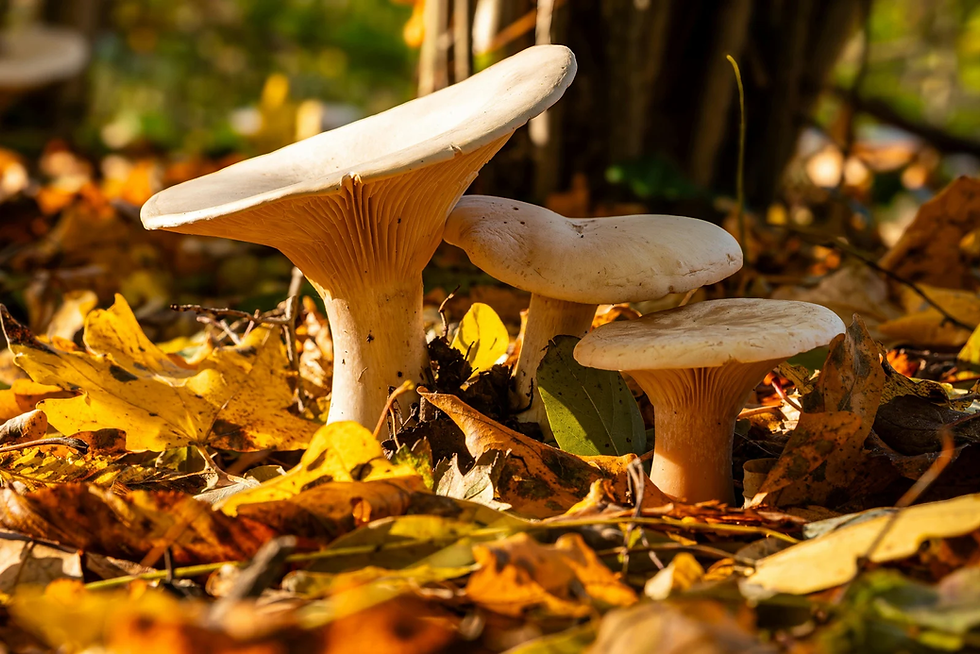
When you’re building a self-reliant homestead, every square foot of your property—and the woods beyond your fence line—can be a source of food, medicine, and resilience. But when it comes to wild mushrooms, the stakes are entirely different than picking wild berries or planting a patch of squash. A mistake doesn't just ruin dinner; it can destroy your liver.
For the amateur homesteader, mastering wild fungi is one of the most rewarding high-value skills you can add to your toolkit. Done right, it transforms your land into a grocery store. Done wrong, it’s a gamble you only lose once.
Here is a breakdown of ten wild mushrooms worth knowing, what they bring to your homestead, and the golden rules of foraging without risking your life.

The Food Heavyweights: Filling the Pantry
If your primary goal is putting serious, calorie-dense food on the table or stocking the pantry for winter, these are the heavy hitters to learn first:
1. Morels: Popping up in the spring rather than the fall, morels are a prized wild delicacy with a deep, earthy flavor. Their real superpower for homesteaders? They dry exceptionally well, turning a fleeting seasonal bounty into a pantry staple that lasts for months. (Note: Never eat them raw; they must always be cooked thoroughly).
2. Chanterelles & Black Trumpets: These golden-yellow and dark, trumpet-shaped mushrooms offer rich, complex flavors that elevate simple homestead staples like eggs, potatoes, rice, and game meat. Both dry brilliantly, making them easy to preserve for the lean months.
3. Oyster Mushrooms: Growing in shelf-like clusters on dead or dying wood, wild oysters provide a hearty texture and are versatile enough for frying, roasting, or tossing into a cast-iron skillet with garden vegetables.
4. Chicken of the Woods: Living up entirely to its name, a fresh specimen provides a meaty, chicken-like texture that can anchor a meal or replace meat entirely in stews, tacos, and stir-fries.
5. Hen of the Woods (Maitake): Found clustering around the bases of trees, a single mature cluster can yield a massive harvest. Beyond their rich culinary flavor, maitakes are packed with beta-glucans, which are heavily studied for their immune-boosting properties.
6. Porcini and Choice Boletes: Boletes feature pores instead of gills and boast thick, substantial flesh and an incredible, concentrated flavor. Slice them, dry them, and drop a few pieces into a pot of beans or gravy to completely transform a simple meal.

The Medicine & Magic: Traditional Powerhouses
Not every mushroom is built for the frying pan. Some are too tough, woody, or bitter to eat like a vegetable, but they have played a massive role in traditional herbalism and modern health research:
7. Lion’s Mane: A culinary unicorn, this shaggy white mushroom tastes remarkably like seafood while offering a tender, meaty bite. Beyond the dinner plate, it’s famous in scientific circles for compounds called hericenones and erinacines, which are currently being studied for their potential neurological and brain-boosting properties.
8. Turkey Tail: Too tough and leathery to eat like a button mushroom, turkey tail is traditionally brewed into teas and decoctions. It contains polysaccharides like PSK, which have been studied extensively for their interactions with the immune system.
9. Reishi: Woody, bitter, and tough, reishi is strictly a tea-and-extract mushroom. For centuries, it has been revered in traditional practices as a tonic for vitality, earning a reputation in modern wellness as a potent source of bioactive triterpenoids and beta-glucans.

The Golden Rules of Homesteader Foraging
It’s easy to get excited about free food growing right outside your door, but mushrooms demand absolute humility. Keep these non-negotiable rules in mind:
Never trust a single source: Do not rely on a single smartphone app, a quick internet photo, or old-wives' tales (like testing if a mushroom turns silver black or is safe because bugs eat it).
Learn the lookalikes: For every choice edible, there is often a toxic double (like Jack-o'-lanterns masquerading as Chanterelles, or false morels). You must learn the cap, the stem, the base, and what kind of wood or soil it grows on.
Get local, expert confirmation: If you are learning a new species, find someone in your region who genuinely knows their mycology to verify your find before it ever touches a hot pan.


Comments